Andy's Digital Adventures
17 Giu 2013
All things considered, I've been involved with computers for over thirty years, and I thought it was interesting to recount these digital adventures.
English text
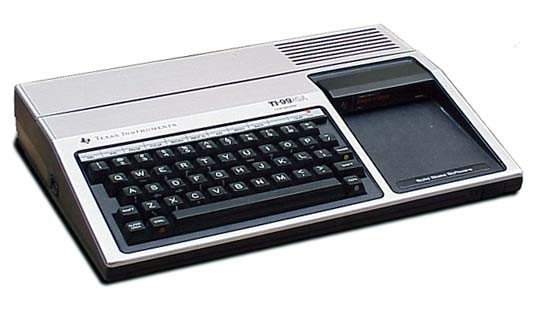
The first family computer was a Texas Instruments 99/4A (it's still sitting in a box at my parents' house). It was in the early 1980s. It had a very attractive design, a black keyboard, an aluminum body, and was connected to the home television. It had a large slot on the front for inserting expansion cartridges. The best thing was the memory management, which required two cassette players, one for input and one for output. To load a program, you rewind the cassette (each contained a certain number of programs), reset the counter, and then hit forward until the counter reads the number corresponding to the start of the program (the number was written in pen on the cassette cover). Play, a pop of bits, and the program was loaded! Programming was done in BASIC; we invented the programs ourselves or copied them from specialized magazines.
ON GOSUB, IF THEN ELSE, I spent hours programming. I created a series of games, the best of which was called "Obscure Castle," a maze with rooms connected by doors. The room the player was in was lit, all the others were in total darkness. You had to recover a treasure while dodging very slow mummies, which all moved toward the player and could pass through walls. We only had one memory expansion, for programming in Assembler. The manual was so thick that I never had the courage to tackle it. My father tinkered with it a bit: enormous colorful sprites swept across the screen at breakneck speed. I realized I was staring into the future, but it wasn't enough to win me over.
My father also programmed, especially as part of his musical studies. He had written programs that generated random Bach-style fugues—cool stuff. Texas was in our big room; I often fell asleep with Dad tapping away at the keyboard, illuminated by the flickering cathode ray.
The last time I used it was in the late 1980s. For a university exam, I dusted off the old Texas and created a graph to calculate travel time in a net. The program attempted all possible routes, memorizing the last shortest one. As soon as the next route exceeded the one in memory, the program discarded it and moved on. I was still using technology from ten years before, and it was time for me to move on too...
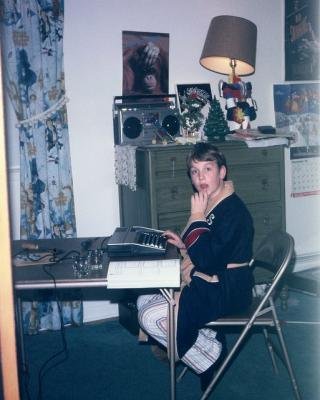
The final image is beautiful: 1981, blogger Scott Hackett's life is about to change forever. Note the objects in the background. This link goes to a library of Texas games.
Testo italiano
A conti fatti sono più di trent’anni che ho a che fare con i computer, e mi sembrava interessante fare un resoconto di queste avventure digitali.
Il primo computer di famiglia fu un Texas Instruments 99/4A (riposa ancora in qualche scatolone a casa dei miei). Erano i primissimi anni ’80. Design molto bello, tastiera nera, corpo in alluminio, si collegava al televisore di casa e presentava un grosso slot sul davanti per inserire le cartucce di espansione. La cosa più bella era la gestione della memoria, che richiedeva ben due lettori di audiocasette, uno per l’input e uno per l’output. Per caricare un programma riavvolgevi l’audiocassetta (ognuna ne conteneva tanti), azzeravi il contatore e poi schiacciavi forward finché il contatore non segnava il numero corrispondente all’inizio del programma (il numero era trascritto a penna sulla copertina della cassetta). Play, scroscio di bit ed il programma era caricato! Si programmava in basic, i programmi li inventavamo noi oppure li trascrivevamo da riviste specializzate.
ON GOSUB, IF THEN ELSE, ho passato ore a programmare. Realizzai una serie di giochi, il più bello si chiamava “Obscure Castle”, un labirinto con stanze collegate da porte. La stanza in cui stava il giocatore risultava illuminata, tutte le altre erano al buio totale. Bisognava recuperare un tesoro schivando delle mummie molto lente, che si muovevano tutte verso il giocatore e potevano attraversare i muri. Avevamo una sola espansione di memoria, per programmare in Assembler. Il relativo manuale era così spesso che non ebbi mai il coraggio di affrontarlo. Mio padre ci smanettò un poco: degli enormi sprite colorati attraversavano lo schermo ad una velocità pazzesca. Mi resi conto che stavo guardando il futuro negli occhi, ma non bastò a conquistarmi.
Anche mio padre programmava, soprattutto nell’ambito dei suoi studi musicali. Aveva scritto dei programmi che generavano delle fughe casuali alla Bach, roba forte. Il Texas era nel nostro stanzone, spesso mi addormentavo con papà che ticchettava sulla tastiera, illuminato dal baluginare catodico.
L’ultimo utilizzo risale alla fine degli anni ’80. Per un esame universitario rispolverai il vecchio Texas e realizzai un grafo per il calcolo del tempo di percorrenza. Il programma tentava tutti i possibili percorsi, memorizzando l’ultimo percorso più breve. Appena il percorso successivo eccedeva quello in memoria, il programma lo scartava e passava appresso. Stavo comunque utilizzando una tecnologia di dieci anni prima, era giunto il momento anche per me di passare appresso…
L’immagine finale è bellissima: 1981, la vita del blogger Scott Hackett sta per cambiare per sempre. Da notare gli oggetti sullo sfondo. Questo link per una libreria di giochi per il Texas.
Here you can find related articles: Digital Adventures
Fotoritocco / Editing
11 Giu 2013
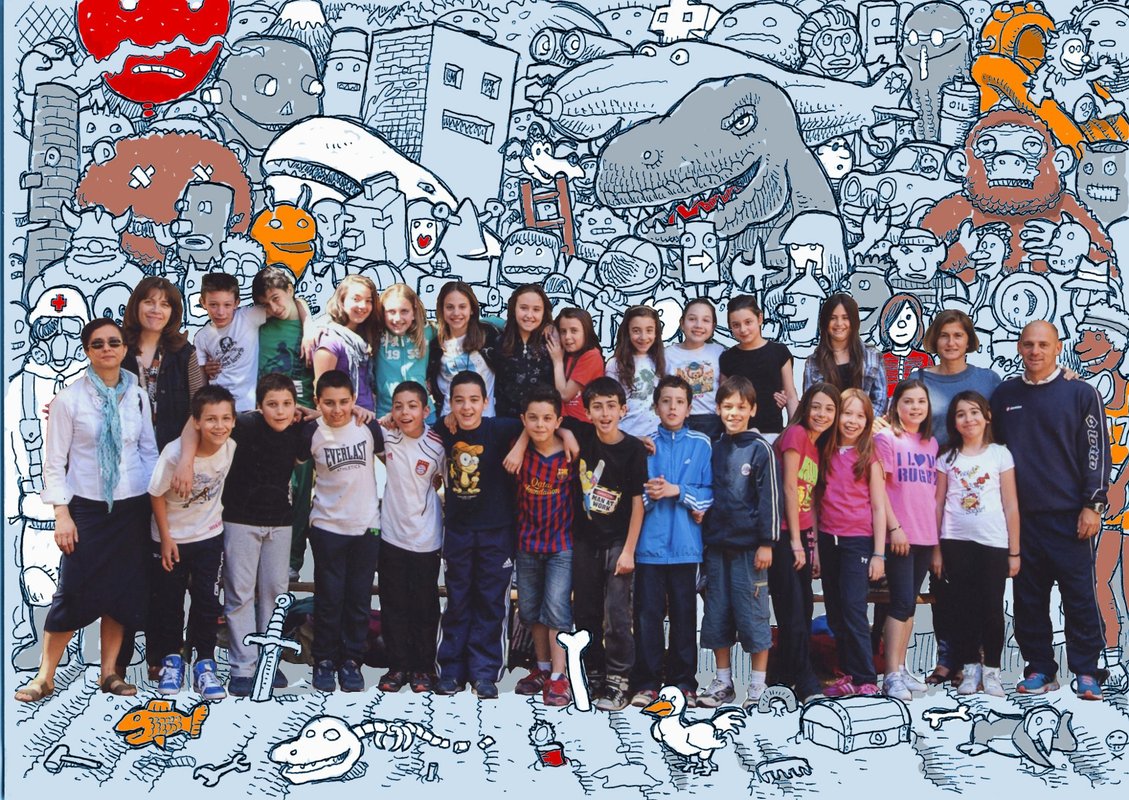
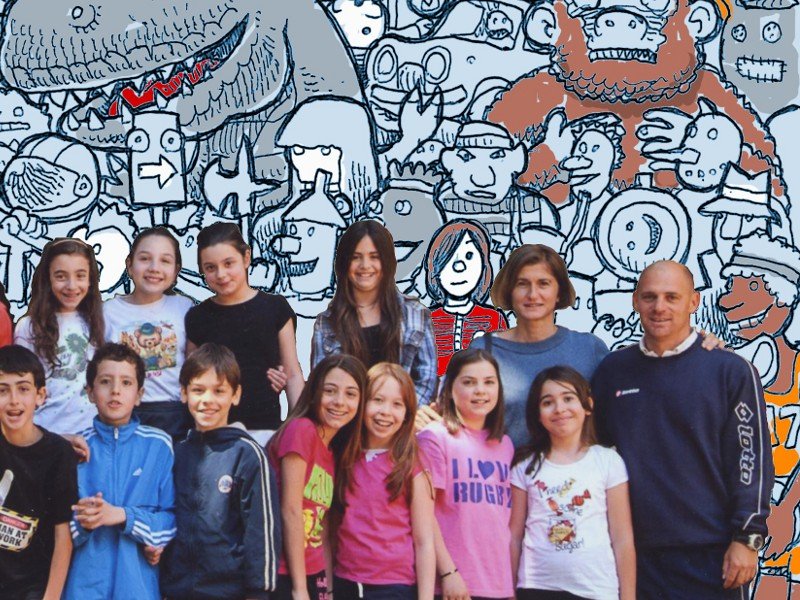
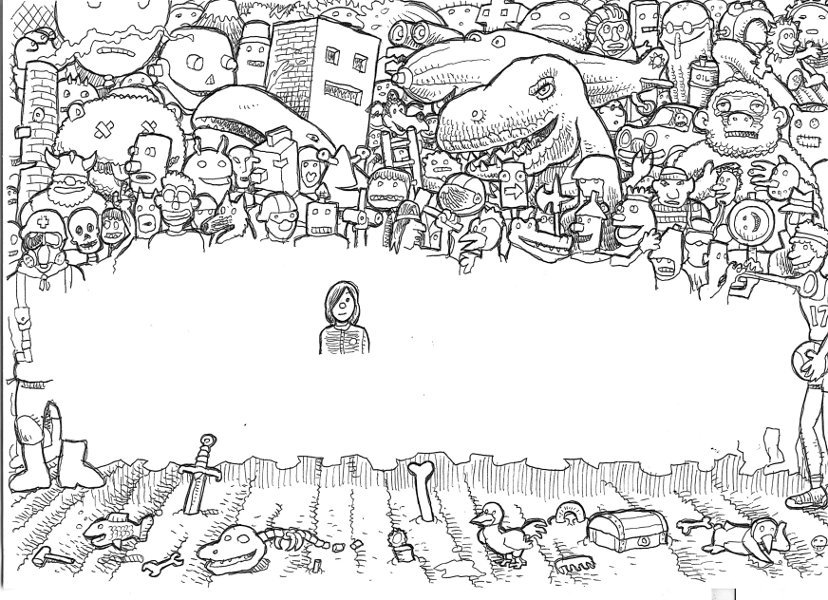
Alla foto di classe mio figlio è mancato, per cui i genitori mi hanno chiesto di inserirlo via Photoshop, attribuendomi le facoltà fenomeniche di un Fabrizio Corona.
La cosa mi ha alquanto indispettito, dato che io utilizzo esclusivamente GIMP, che è open source e per quello che faccio io va benissimo. Presami la mano, ho voluto inserire anche un po’ di altri amichetti…
English text
My son missed his class group photo, so the other parents asked me to insert him via Photoshop, ascribing me the phenomenic faculties of a Fabrizio Corona, famous italian paparazzi. I was quite annoyed about that, ‘cause I only use GIMP, which is open source and works fine. As I steamed on, I wanted to include some other friends…
Rimesso a posto l’impianto del gas condominiale, ho ripreso a correre. Venerdì 6km, stretching e recupero, stamattina un paio di km in più.
Link to this articleCaccia all'errore / Find mistakes
07 Giu 2013
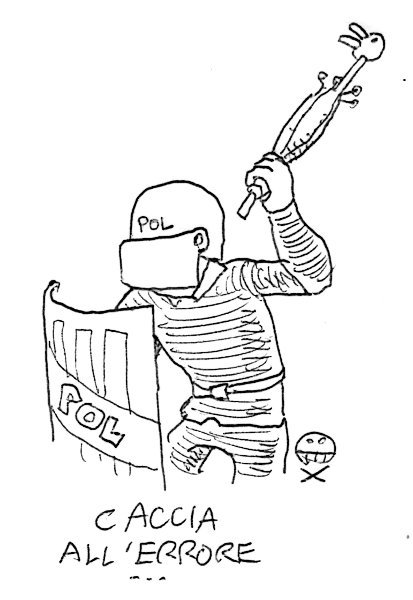
Durante una movimentata manifestazione per le acciaierie, il sindaco di Terni è stato raggiunto alla testa da un oggetto contundente… / During a harsh confrontation between police and protesters in the industrial city of Terni, the mayor was hit on the head with… an umbrella! Link to this articleMaggio moscio / Lazy May

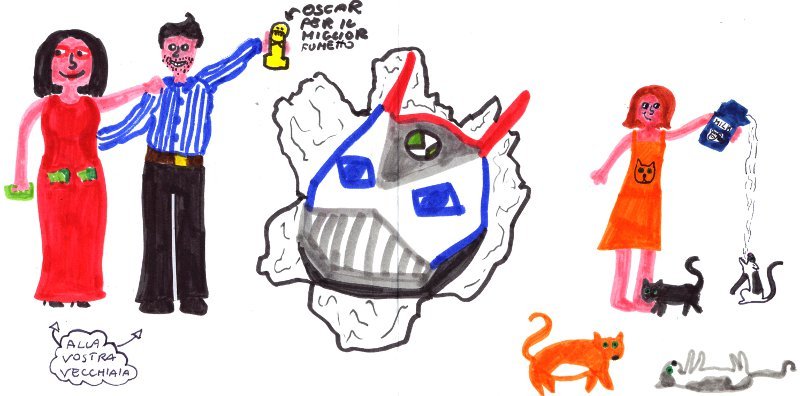
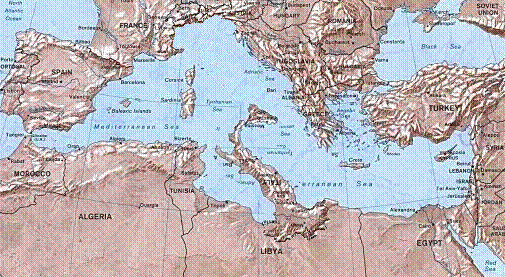
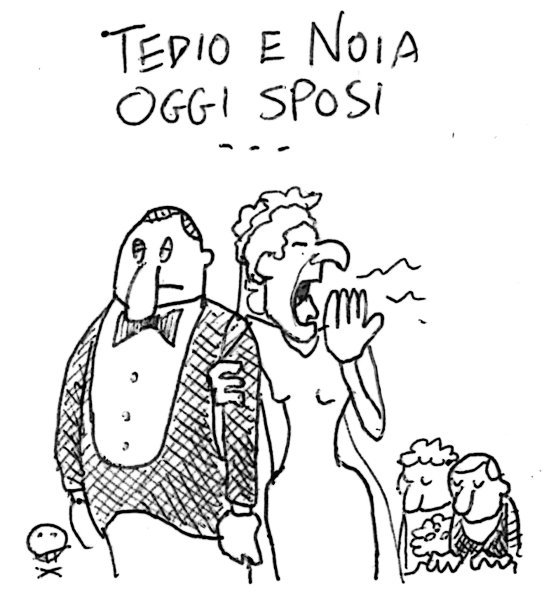
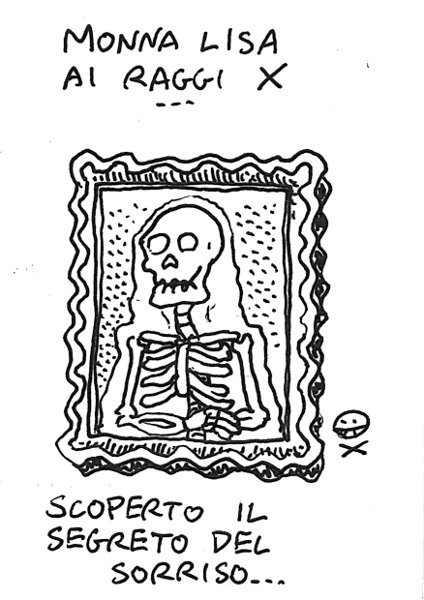
28 Mag 2013
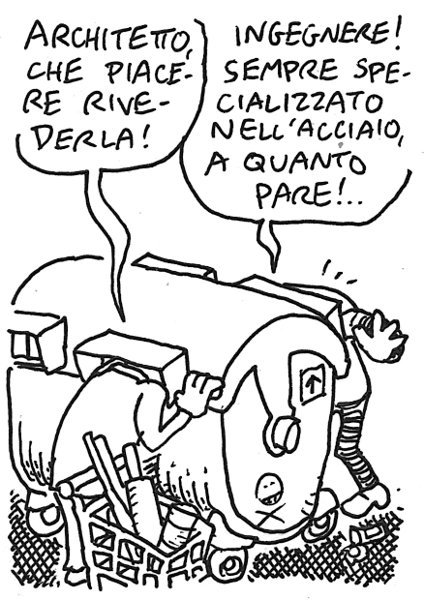
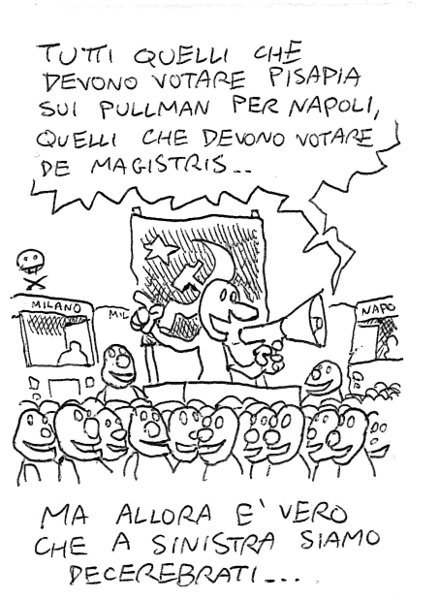
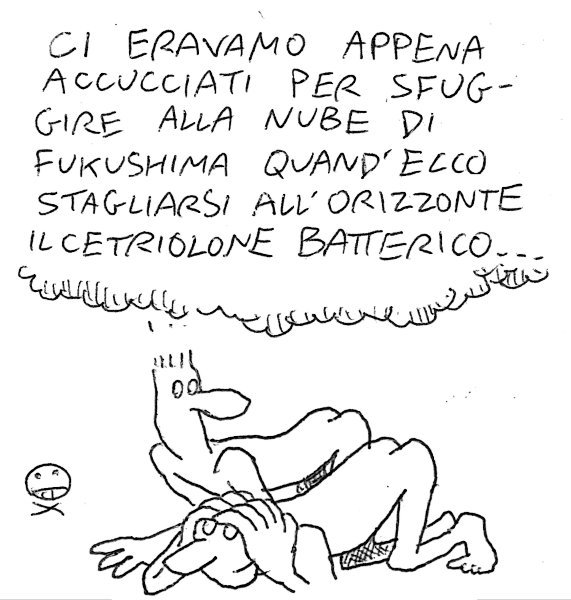
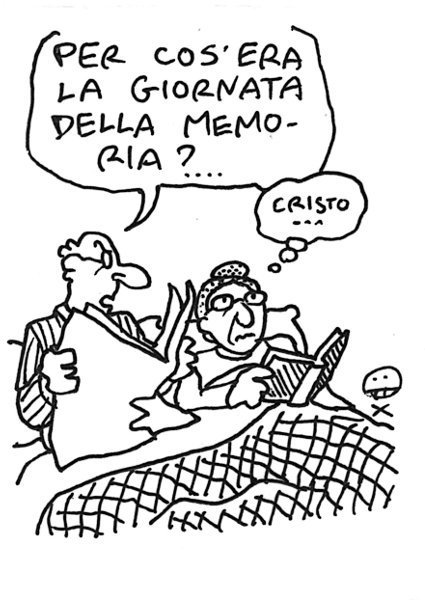
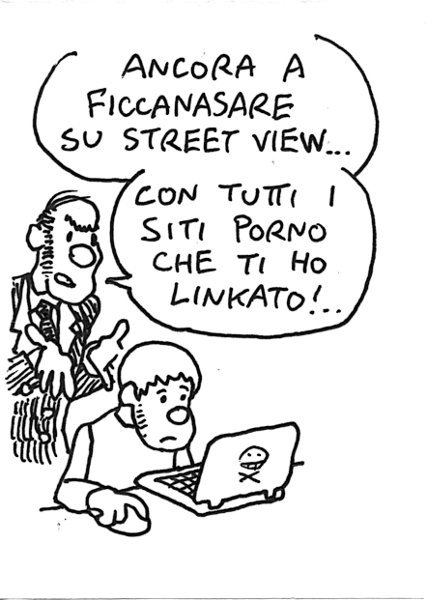
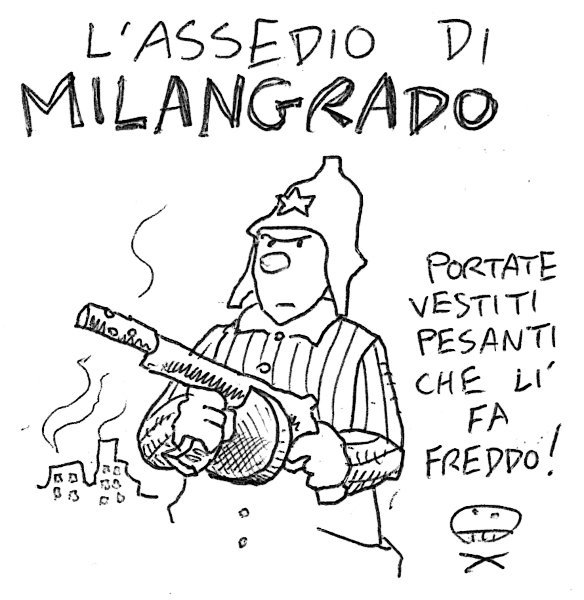
Un po’ di vignette pubblicate su FB tra aprile e maggio… / Some sketches I posted on FB during April and May Ultimo allenamento di aprile il 24 (8km, stretching e recupero), poi sono andato a Napoli al Comicon e a trovare amici. A maggio mi sono allenato l’uno e il 4 (10km), il 7 (8km), l’8 (10km), il 10 (8km), 13 e 14 (10km), il 17 (8km), 18 e 20 (12km), il 21 e il 24 (10km). Il 24 ci hanno chiuso il gas alla palazzina per lavori, e io non so come farmi la doccia la mattina (è gelata!). Comunque è un maggio di smosciamento, e sono pure aumentato di peso… Link to this articleMaggio moscio / Lazy May
01 Mag 2013
Ultimo allenamento di aprile il 24 (8km, stretching e recupero), poi sono andato a Napoli al Comicon e a trovare amici. A maggio mi sono allenato l’uno e il 4 (10km), il 7 (8km), l’8 (10km), il 10 (8km), 13 e 14 (10km), il 17 (8km), 18 e 20 (12km), il 21 e il 24 (10km). Il 24 ci hanno chiuso il gas alla palazzina per lavori, e io non so come farmi la doccia la mattina (è gelata!). Comunque è un maggio di smosciamento, e sono pure aumentato di peso… Link to this articleZymachi Subversion
21 Apr 2013
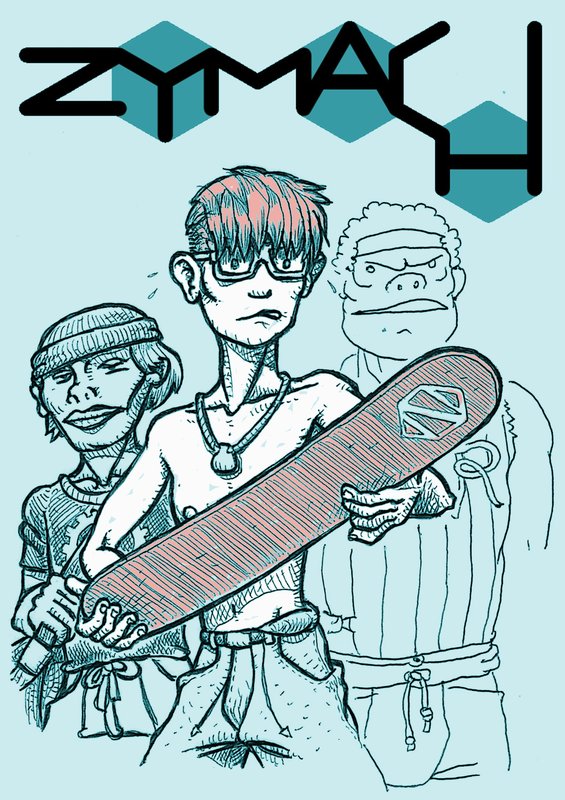
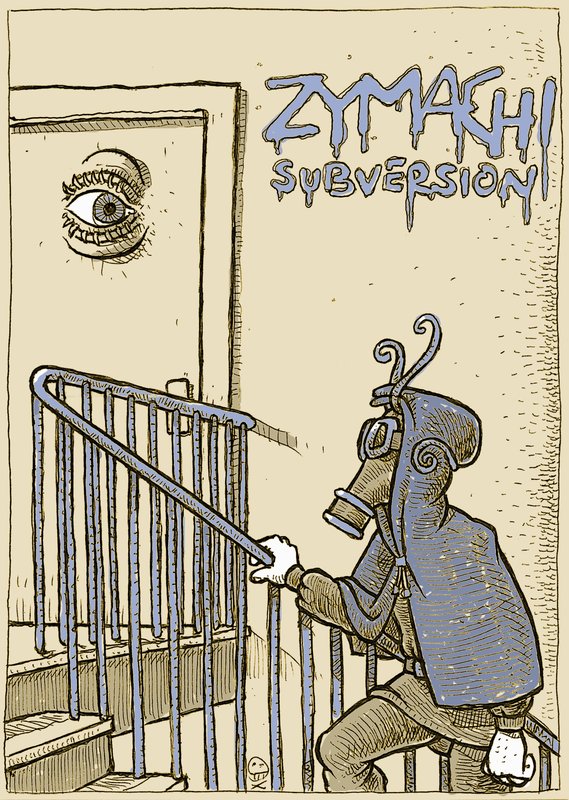
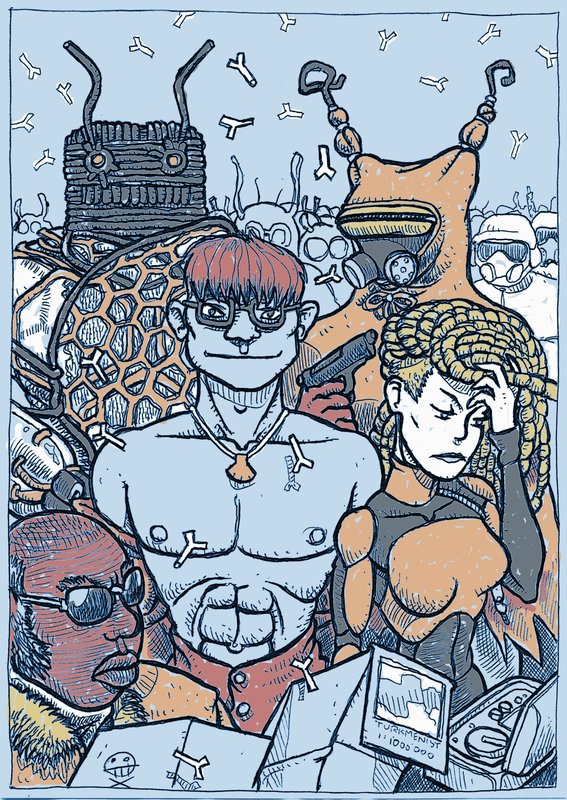
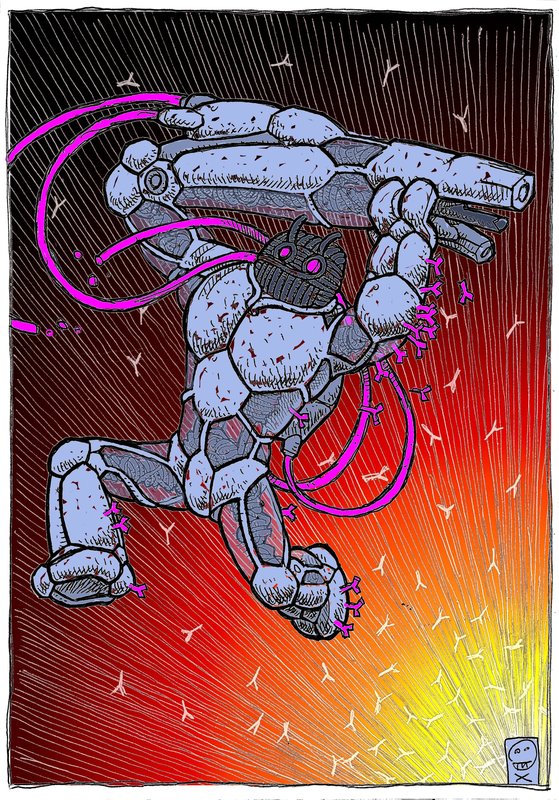
Qui di seguito degli studi sui personaggi di questa nuova serie degli Zymachi che ho in mente e di cui ho buttato giù diverse pagine di (pre) sceneggiatura. Dei Bagmen ho già parlato in precedenza, i “buoni” cominciano a prendere forma (Moncho il ragazzino con i due chirurgi, Thom e Warwara), gli Zymachi si semplificano e diventano sempre più umanoidi. – Below some studies for the characters of this new serie I have in mind (I wrote down several pages of script). I have already introduced the Bagmen, the “good guys” begin to take shape (Moncho the boy with the two surgeons, Thom and Warwara), the ZYMACHI are simplified and become more humanoid.
Link to this article